Classic Italian Cream Cake Recipe (Southern Style)

Intro: The Not-So-Italian Holiday Cake Everyone Asks For
Last Christmas, while my sister was hunting for the good wrapping paper and the kids were sneaking candy canes, I was in the kitchen separating eggs over a sink full of mixing bowls. The house smelled like butter, toasted pecans, and just a hint of almond. By the time we cleared dinner, everyone was already asking the same thing: “Did you make that Italian cream cake again?”
Here’s the funny part. It’s not really Italian. This old-fashioned layer cake is a Southern legend, most likely born in Texas, dressed up with sweet coconut, pecans, and a tangy cream cheese frosting that could win over anyone at the table. No espresso, no mascarpone, no tiramisu vibes. Just pure, cozy Southern baking in a fancy outfit.
What you get here is a true project bake. Not hard, but intentional. You’ll cream butter and shortening until it’s fluffy and almost white, whip egg whites to stiff peaks, and toast your nuts so they taste deeper and richer instead of just “crunchy.” It’s the kind of cake you make when you actually want to spend a quiet afternoon in the kitchen and show up to the party carrying something spectacular.
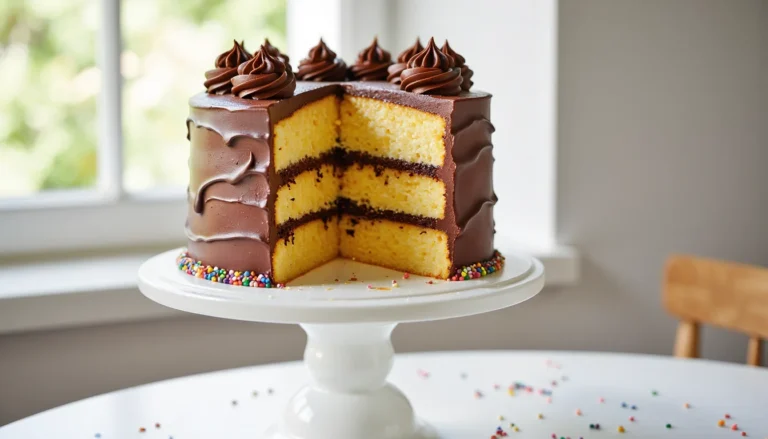
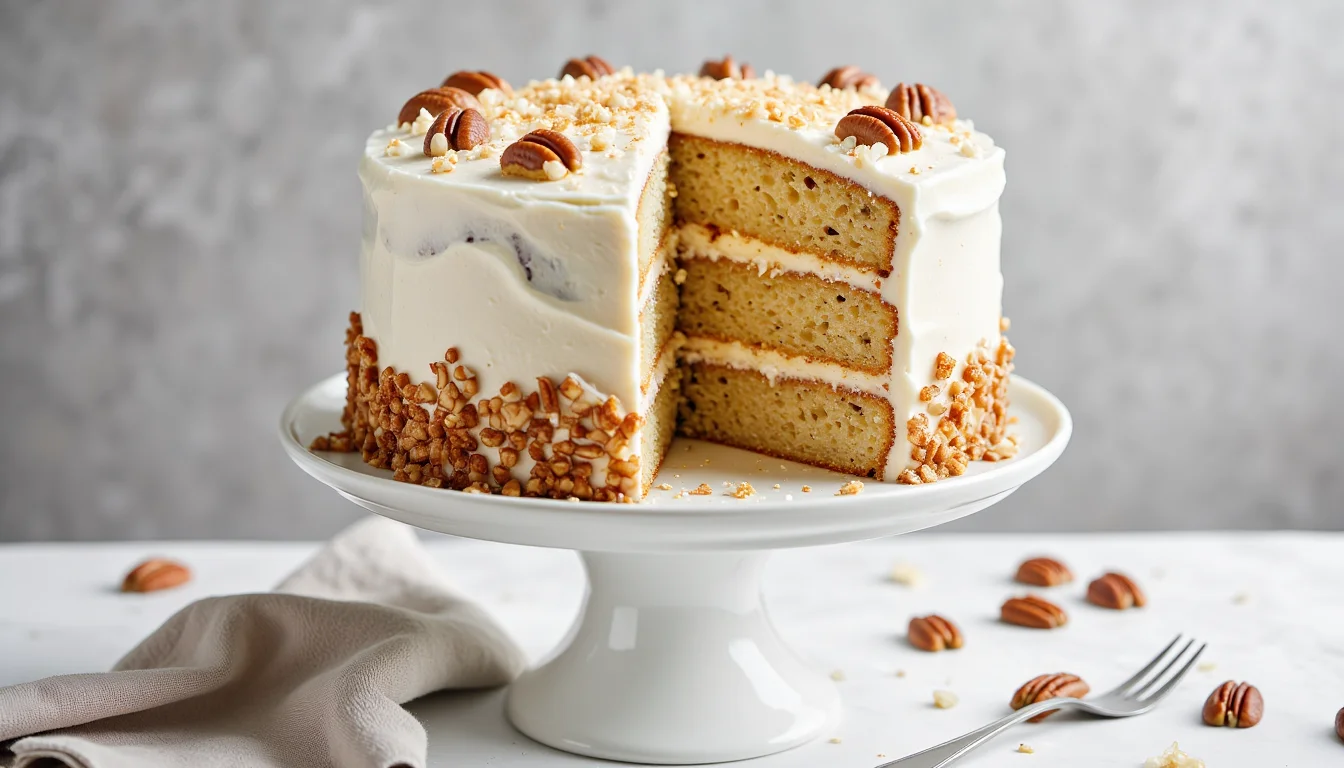
The payoff is all in the texture. Tall, pillowy layers that feel somewhere between a buttery pound cake and a light sponge. Moist crumbs that cling gently to your fork. Little pops of sweet coconut and nutty pecan in every single bite. And then there’s that thick, tangy cream cheese frosting wrapped all around it, with a halo of toasted coconut and pecans catching the light like confetti.
If you’ve ever worried about dry coconut cakes or recipes that skip the “grandma” steps to save time, this Italian Cream Cake Recipe goes the classic route. We separate the eggs. We toast the nuts. We chill the finished cake so it slices clean and stays tender for days. It takes a bit of effort. Totally worth it.
Craving more tall, bakery-style cakes? Head over to The Ultimate Guide to Classic Layer Cakes for step-by-step stacking tips, crumb coat secrets, and seven must-bake classics.
Why You’ll Love This Old Fashioned Italian Cream Cake
If you grew up around church potlucks or big family holidays, this kind of cake just feels familiar, even if nobody ever wrote the recipe down. It’s the one the aunt with the good jewelry brings. The one that shows up on a glass pedestal stand and makes every brownie and cookie on the table look a little underdressed.
First, the flavor. You get that classic Southern combo of tangy buttermilk, warm vanilla, and just enough almond extract to make people ask, “What is that?” without being able to quite put their finger on it. The coconut melts into the batter so it adds moisture and little chewy bits instead of dry strings, and the toasted pecans bring in this buttery, nutty flavor that only happens when you actually take time to toast them. Raw nuts? Just not the same.
Then there’s the crumb. The whole reason we separate the eggs and whip the whites is to give this rich, coconut pecan cake a bakery-style lift. Folding in those stiff peaks means your layers bake up tall and pillowy, not squat and heavy. Every bite feels indulgent but not brick-like, which is honestly the danger with a lot of older coconut cakes. Been there. Dense disappointment.
And that frosting. It’s a full-on cream cheese situation: thick, tangy, and sturdy enough to hold three layers without sliding off into a sugar avalanche. The ratio here is tuned so it’s soft and creamy when you slice, but not so loose that it turns gloopy the second it warms up on the counter. You can swirl it casually, or smooth it into clean sides and press pecans all around for that “bakery case” moment.
If you’ve ever wanted a from-scratch Italian Cream Cake Recipe that feels like a true special-occasion project, this is the one you bring out for Christmas, Easter, milestone birthdays, or that one friend who always asks for coconut desserts. It’s nostalgic without feeling dated. A little fancy. And it absolutely tastes like someone’s grandma made it, even if you’re meeting it for the first time.
What Is Italian Cream Cake, Really?
My neighbor once told me she ordered Italian cream cake at a restaurant in Rome and the server just stared at her like she’d asked for a corndog. That’s when it really clicks for people: this “Italian” cake isn’t from Italy at all.
So where did it come from? Most food historians lean toward the American South, especially Texas, where church cookbooks and community fundraisers spread the recipe long before the internet did. You’ll see it called “Southern Italian Cream Cake,” “Old Fashioned Italian Cream Cake,” or just “That Coconut Pecan Cake” in family recipe boxes. The story changes from kitchen to kitchen, but the setting is almost always the same: potlucks, holidays, and big gatherings where one tall layer cake is the star.
At its core, this is a buttery vanilla cake enriched with buttermilk, studded with sweetened shredded coconut and finely chopped pecans, then finished with a generous layer of cream cheese frosting. The almond extract is what gives it that almost “bakery secret” flavor, like something you can’t quite name but don’t want to skip. It’s rich. Moist. A little tangy. Definitely not subtle.
So, is Italian cream cake actually from Italy? Nope. Not even a little. There’s no classic Italian dessert that matches this style of coconut pecan layer cake. The “Italian” tag probably came from the use of coconut and nuts, which felt exotic and fancy at the time, or from the trend of giving recipes romantic names to make them sound special. And it worked, clearly.
Think of it as a Southern celebration cake with a slightly mysterious name. A cake that borrows the idea of elegance from Italy, but the real heart of it belongs to American home bakers who kept whipping egg whites, toasting pecans, and passing the recipe down on stained index cards.
Key Ingredients & Substitutions
When you look at the ingredient list for this cake, nothing is super weird or fancy. It’s more about how each piece works together. The fats keep it tender, the buttermilk adds tang and moisture, and the coconut and pecans give you that signature “Southern holiday cake” vibe. Change too much, and you just end up with some other dessert wearing the name tag.
Fats: Butter, Shortening, and Oil
Traditional versions of this Italian Cream Cake Recipe almost always use a mix of butter and shortening. Butter brings flavor and richness. Shortening brings structure and that lighter, whiter crumb that feels almost bakery-style. Together, they help the batter hold all that coconut and nuts without getting heavy.
If you hate shortening, you’re not alone. You can swap it for an equal amount of neutral oil. The cake will be slightly more tender and a bit more golden, with a softer crumb. If you go all butter, expect a deeper flavor but a tighter, denser texture. Not bad, just different.
Flour, Leavening, and Buttermilk
I usually grab plain all-purpose flour for this cake, because that’s what most people have in the pantry. It works beautifully and holds up to the weight of the mix-ins. If you want an extra-light, more delicate crumb, you can use cake flour instead and feel just a bit more “bakery.” Either way, measure carefully and don’t pack it into the cup.
Baking soda teams up with buttermilk here. The buttermilk’s acidity reacts with the soda to create lift and a tender crumb, and it also adds that subtle tang you taste in really good Southern cakes. Whole milk won’t give you the same result. If you absolutely have to, you can fake it by stirring a tablespoon of vinegar or lemon juice into milk and letting it sit a few minutes, but real buttermilk is worth it.
Coconut and Pecans
Sweetened shredded coconut is the heartbeat of this coconut pecan cake. It melts into the batter and gives you moisture and little chewy bits all at once. Unsweetened coconut is drier and more fibrous, so the texture won’t be the same. If you’re worried about clumps, you can toss the coconut with a spoonful of flour before folding it into the batter. Tiny trick. Big help.
Pecans are the classic nut here, both inside the cake and pressed into the frosting. Toasting them first makes a huge difference. It wakes up their flavor and gives you that warm, buttery nuttiness instead of just “crunch.” Walnuts can work in a pinch, but they’re a little more bitter, so I’d keep them finer and maybe use fewer on the outside.
Flavor Boosters
Vanilla and almond extract are the little secret weapons that make this cake smell like a bakery when you crack open the container. Vanilla keeps things cozy and familiar. Almond extract adds that almost mysterious note that makes people think of wedding cakes and fancy bakeries. A little goes a long way. Too much and it turns harsh, so measure with a light hand, especially if you’re tempted to “just splash.” I’ve done it. Regretted it.
Tools You’ll Need
You don’t need a professional bakery setup for this cake, but a few key tools really do make the whole process smoother. When I tried to do it once with one dented pan and a whisk, I regretted life choices somewhere around egg white number three.
For the layers, you’ll want three 8-inch round cake pans. This gives you that tall, classic look without trying to slice monster layers in half. If you only have two pans, you can bake in batches, but keep the remaining batter loosely covered at room temp, not in the fridge. Parchment paper circles for the bottoms are non-negotiable if you want those layers to release cleanly instead of breaking your heart.
A stand mixer is the easiest way to handle both the long creaming step and the whipped egg whites, but a good hand mixer absolutely works. I like to cream the butter, shortening, and sugar in the stand mixer, then whip the egg whites in a separate bowl with the hand mixer so everything’s ready at the same time. Less bowl-washing. More cake.
You’ll also want some basic but important supporting players: a rubber spatula for folding in the egg whites gently, a large mixing bowl for combining the batter, and a medium bowl for the dry ingredients. An offset spatula makes frosting and smoothing the layers so much easier, especially when you’re doing that first crumb coat to lock in any loose bits.
For baking and cooling, grab a couple of sturdy baking sheets (to place under your pans if your oven has hot spots) and wire cooling racks. Cooling the layers completely on racks keeps the bottoms from steaming and turning dense. Finally, a serrated knife for trimming any domed tops and a simple cake stand or serving plate for assembling and showing off your coconut pecan masterpiece. Nothing fancy. Just tools that quietly help you look like you know exactly what you’re doing.
How to Make Italian Cream Cake (Step-by-Step)
Step 1: Prep Pans, Toast the Nuts and Coconut
Start by preheating your oven to 350°F (175°C). Grease three 8-inch round cake pans, line the bottoms with parchment circles, then grease and lightly flour the parchment too. It feels fussy. It’s not. It’s insurance.
Spread the chopped pecans in a single layer on a baking sheet. Toast for about 6 to 8 minutes, stirring once, until they smell nutty and look a shade darker. Watch them closely at the end; they go from perfect to burned fast. If you’re toasting extra coconut for garnish, you can do that on a separate tray at the same temp, stirring every couple of minutes until lightly golden.
Let the nuts (and coconut, if using) cool completely before they touch the batter or frosting. Warm nuts can melt the fat in your batter and create greasy pockets. Learned that one the hard way.
Step 2: Cream the Fats and Sugar (Don’t Rush This Part)
In a medium bowl, whisk together the flour, baking soda, and salt. Set aside. In the bowl of a mixer, beat the softened butter, shortening, and sugar together on medium-high speed until very light and fluffy, about 4 to 5 minutes. It should look almost pale and feel airy if you pinch a bit between your fingers.
Scrape down the bowl once or twice so no stubborn butter clings to the sides. This is where you build structure and trap air, so don’t shortcut it. If it looks greasy or grainy, keep going until it smooths out.
Step 3: Build the Batter with Yolks, Buttermilk, and Dry Ingredients
Beat in the egg yolks one at a time on medium speed, mixing just until each one disappears before adding the next. Then mix in the vanilla and almond extract. The batter should look creamy and slightly thicker now.
Turn the mixer to low. Add the dry ingredients in three additions, alternating with the buttermilk in two additions: dry, buttermilk, dry, buttermilk, dry. Mix just until the last streak of flour disappears. No more. Over-mixing here can make the cake tough.
Fold in the sweetened shredded coconut and the cooled, finely chopped toasted pecans with a spatula. If you’re worried about coconut clumping, you can toss it with a tablespoon of flour before adding it. The batter will be thick and speckled.
Step 4: Whip the Egg Whites to Stiff Peaks
In a clean, grease-free bowl with clean beaters, beat the egg whites on medium-high speed until they form stiff peaks. That means when you lift the beaters, the peaks stand straight up without folding over. If they look foamy or soft and droopy, keep going.
Be careful not to over-beat into dry, clumpy whites. They should look glossy and smooth, like shaving cream. If you accidentally go past that point and they start to look chunky, it’s better to start again than fold in dry whites that won’t blend.
Step 5: The Gentle Fold (Keeping the Air In)
Scoop about one-third of the whipped egg whites into the batter and fold gently with a spatula. This first addition can be a bit more casual; you’re just lightening the batter so the rest folds in easier.
Add the remaining whites in two more additions, folding slowly from the bottom of the bowl up and over, turning the bowl as you go. Try not to stir. You should still see a few soft streaks of white when you stop. If you fold until it’s completely uniform, you’ve probably gone a little too far and lost some lift.
Divide the batter evenly between the prepared pans. If you want to be extra precise, you can weigh the filled pans so each has roughly the same amount of batter.
Step 6: Bake, Cool, and Frost
Bake the layers at 350°F (175°C) for about 25 to 30 minutes, or until the tops are lightly golden and a toothpick inserted in the center comes out clean or with a few moist crumbs. If the centers still look shiny or jiggle when you nudge the pan, give them a few more minutes.
Let the cakes cool in the pans on a wire rack for 10 minutes, then run a knife around the edges and flip them out onto the rack. Peel off the parchment and let them cool completely. Totally cool. Frosting warm cake is a guaranteed slidey mess.
Once cool, stack the layers with a generous amount of cream cheese frosting between each one, then coat the outside in a thin crumb coat. Chill for 20 to 30 minutes to set, then finish with a thicker layer of frosting and press toasted pecans and coconut around the sides and top. At this point, it looks fancy. And it smells even better.
Italian Cream Cake Variations
Once you’ve made the classic three-layer version, it’s natural to start wondering how far you can stretch it. Potluck situation, smaller crowd, nut allergy at the table. Real life comes for every fancy cake eventually.
9×13 Italian Cream Sheet Cake
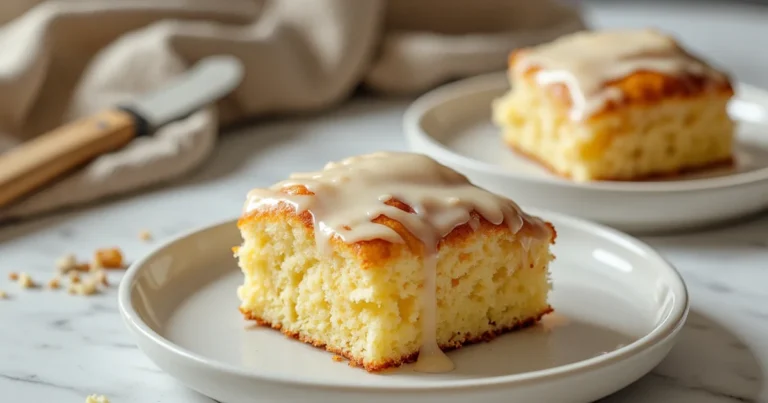
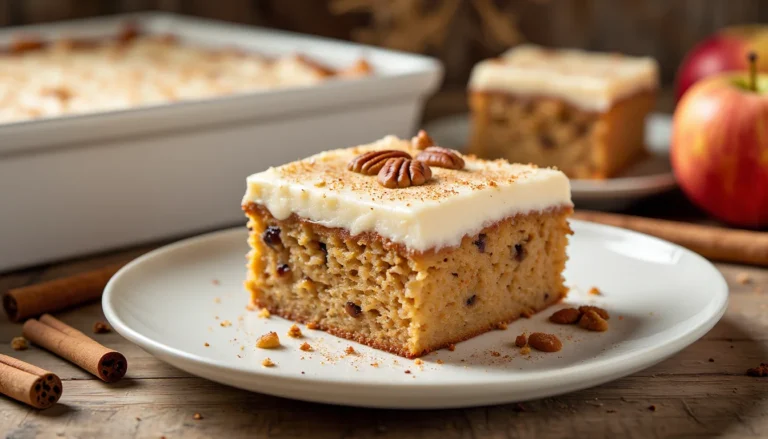
If you don’t feel like stacking layers, you can absolutely bake this as a 9×13 coconut sheet cake. Same batter, same frosting, way easier to transport when you’re juggling kids, casserole, and your keys out the door.
Prepare the batter exactly as written: cream the fats and sugar, build in the yolks and buttermilk, whip and fold in the whites. Grease a 9×13-inch pan, line the bottom with parchment if you can, and spread the batter in an even layer. It will look a little on the thick side. That’s right.
Bake at 350°F (175°C) for about 35 to 40 minutes. The top should be lightly golden and spring back when gently touched, and a toothpick in the center should come out clean or with a few moist crumbs. Let it cool completely in the pan, then frost the top in big swoops and shower it with toasted coconut and pecans.
The result is more of a poke-style coconut dessert you can cut into squares and serve straight from the pan. Less drama. Same cozy flavor.
Nut-Free or Coconut-Light Version
For nut allergies, you can leave the pecans out of the batter and just skip them entirely. The cake will lose some of that deep, toasty flavor, but the coconut and almond extract still keep it firmly in “special dessert” territory. You can also keep the frosting smooth and nut-free, or garnish with just toasted coconut on top.
If you want a coconut-light version for someone who “likes it, but not too much,” you can reduce the coconut in the batter by about one-third. Tossing it in a spoonful of flour first helps it stay evenly distributed so you don’t get pockets of chewiness. But be honest: once you slice into it, the coconut fans at the table will always wish you’d gone full classic.
Make-Ahead Schedule (3-Day Plan)
This cake is 100% do-ahead friendly, which is great because no one wants to be whipping egg whites in a nice outfit while guests are texting “on our way!”
Day 1: Bake and Chill the Layers
On Day 1, make the cake layers start to finish. Bake, cool in the pans for 10 minutes, then cool completely on wire racks. Once they’re fully cool, wrap each layer tightly in plastic wrap. If your kitchen runs warm, add a layer of foil too.
At this point you have options:
- Short make-ahead: Pop the wrapped layers in the fridge overnight.
- Longer make-ahead: Freeze the wrapped layers on a flat surface until solid, then stack them. Frozen layers are actually easier to frost later because they’re firm and less crumb-prone.
No frosting yet. Just cake. You’re done for the day.
Day 2: Frost and Chill
On Day 2, bring frozen layers out to soften slightly (if frozen) while you make the cream cheese frosting. They don’t have to be completely thawed to stack; just not rock hard.
Level any domes with a serrated knife if needed, then stack your layers with a generous amount of frosting in between. Do a thin crumb coat around the outside, chill the cake for 20 to 30 minutes, then add the final thick layer of frosting and press on your toasted pecans and coconut.
Once decorated, chill the cake uncovered for about 30 minutes to let everything set, then lightly cover it (a big, upside-down bowl or cake dome works well) and keep it in the fridge.
Day 3: Serve at the Perfect Temperature
On serving day, pull the cake out of the fridge about 45 minutes to 1 hour before you plan to slice it. The frosting will soften just enough, and the crumb will taste richer and more flavorful slightly cool instead of straight-from-the-fridge cold.
Last check: garnish top if anything shifted, wipe the cake stand if there are stray crumbs, and grab a sharp knife. First slice is always a little messy. The second one? Picture-perfect.
Troubleshooting: Why Is My Cake Dense, Dry, or Sunken?
Somewhere around my third Italian cream cake ever, I pulled the pans from the oven and watched the centers sag in slow motion. Perfectly toasted pecans. Beautiful batter. Sad little craters. So let’s talk about what actually goes wrong and how to fix it next time.
Dense or Heavy Cake
If your crumb feels tight or heavy instead of pillowy, the most common culprit is over-mixing after the flour goes in. Once you add the dry ingredients, you want to mix just until you don’t see streaks. Stirring and stirring because you see a tiny lump? That’s how you build extra gluten and lose tenderness.
Scooping flour straight from the bag can also pack too much into the cup. If your batter felt very thick and hard to spread, that’s a clue. Fluff the flour, spoon it into the cup, and level it off instead of digging in like you’re shoveling snow.
Dry or Crumbly Texture
Dry cake usually comes down to over-baking or too little fat/liquid. Every oven runs a bit different. If your layers looked quite brown around the edges or pulled far away from the sides of the pan, they probably stayed in a few minutes too long. Start checking at the earlier end of the bake time, and pull them as soon as a toothpick comes out with a few moist crumbs, not bone-dry.
A too-dry crumb can also happen if you swapped buttermilk for regular milk without adding acidity, or if you accidentally shorted the butter/shortening. Tiny measuring slip. Big difference.
Why Did My Cake Fall in the Middle?
That sunken-center drama almost always has a reason:
- Oven door opened too early. If you peek in the first 15–20 minutes, the rush of cool air can cause the batter to collapse before it sets. Painful, I know. But resist the peek.
- Under-baked center. The top might look done while the middle is still wet. If the toothpick looks gooey or the center jiggles when you nudge the pan, it needs more time, even if you’re past the suggested minutes.
- Egg whites under- or over-whipped. Whites that are too soft don’t give enough support; whites that are beaten until dry and clumpy don’t fold in smoothly and can create weak pockets. Aim for glossy, stiff peaks that still look smooth.
- Too much leavening. Accidentally adding extra baking soda can make the cake rise quickly, then sink as it cools. Level that measuring spoon and double-check the amount before it goes in.
The good news: even a slightly sunken Italian Cream Cake Recipe usually still tastes incredible once it’s frosted. Worst case, you fill the dip with a little extra cream cheese frosting, cover it with toasted coconut and pecans, and pretend you meant to do that.
Serving & Decoration Ideas
When I brought this cake to a family birthday last year, I barely had it out of the box before someone asked, “Did you decorate that yourself?” It wasn’t because it was perfect. It was just tall, covered in frosting, and clearly not from the grocery store. That’s the beauty of this cake. It looks impressive even when you keep the decor simple.
For a classic look, frost the cake smoothly and press finely chopped toasted pecans all around the sides. Hold the cake over a sheet of parchment, take small handfuls of nuts, and gently pat them into the frosting from bottom to top. Any that fall off just land on the paper, and you can scoop them up to try again. A light sprinkle of toasted coconut on top finishes the “bakery case” vibe.
If you like a more rustic style, you can leave some of the cake peeking through. Do a semi-naked finish: a thin layer of frosting where you still see the layers, then pile extra cream cheese frosting in soft swirls on top. Add a ring of whole pecan halves around the edge and a little mound of toasted coconut in the center. It looks relaxed and intentional at the same time.
For holidays, lean into the occasion. At Christmas, add a few sugared cranberries or sprigs of rosemary to the top for a snowy, wintry feel. For birthdays, skip the fancy garnish and go straight for candles, letting the toasted coconut and pecans be the main texture. If you’re serving a crowd that’s unsure about nuts, you can keep them mostly on top and leave the sides smooth so people can avoid them if they want.
However you dress it up, always cut the slices on the thinner side at first. This is a rich coconut pecan cake, and a little goes a long way. You can always offer seconds. And you probably will.
Storage & Freezing Instructions
Cream cheese frosting means this cake lives in the fridge, no negotiation. Once your Italian cream cake is frosted and decorated, keep it chilled, lightly covered, on a cake stand or in a container that doesn’t smush the sides. A big overturned bowl or cake dome works if you don’t have a fancy keeper.
Does Italian Cream Cake Have to Be Refrigerated?
Yes. Because of the cream cheese, it’s not a room-temp all-day situation. You can safely leave slices out for about 2 hours while serving, especially in a cooler house, but after that it needs to go back into the fridge. The good news is that the crumb actually stays moist for days when it’s chilled properly.
Stored in the fridge, the cake keeps well for about 4 days. After that, the texture starts to dry a bit and the nuts lose some of their crunch. When you’re ready to serve, let the cake sit out for 45 to 60 minutes so the frosting softens and the flavors bloom again. Cold cake straight from the fridge is always a little muted.
How to Freeze Cake Layers
If you want to work ahead, freezing the layers is your best friend. Once the layers are completely cool, wrap each one tightly in plastic wrap, then in foil for extra protection. Lay them flat in the freezer until firm. They’ll keep well for up to 2 months.
When you’re ready to assemble, pull the layers out and let them sit at room temperature, still wrapped, for about 20 to 30 minutes. They can be slightly chilled while you frost; in fact, that makes them sturdier and less crumbly. Just don’t try to stack them rock solid.
Can I Freeze the Whole Cake?
You can, especially if you need to prep a holiday dessert way ahead. Chill the fully frosted cake until the frosting is firm, then place the cake on a sturdy board and wrap it well in plastic wrap, followed by a layer of foil. Try not to press on the sides too hard so you don’t damage your pecan and coconut coating.
To thaw, unwrap the cake and transfer it to a covered container or cake dome in the fridge. Let it thaw overnight. A couple of hours before serving, move it to the counter so it can lose the chill just a bit. The texture and frosting will be slightly softer after freezing, but the coconut pecan flavor stays rich and cozy.
Italian Cream Cake Printable Recipe Card
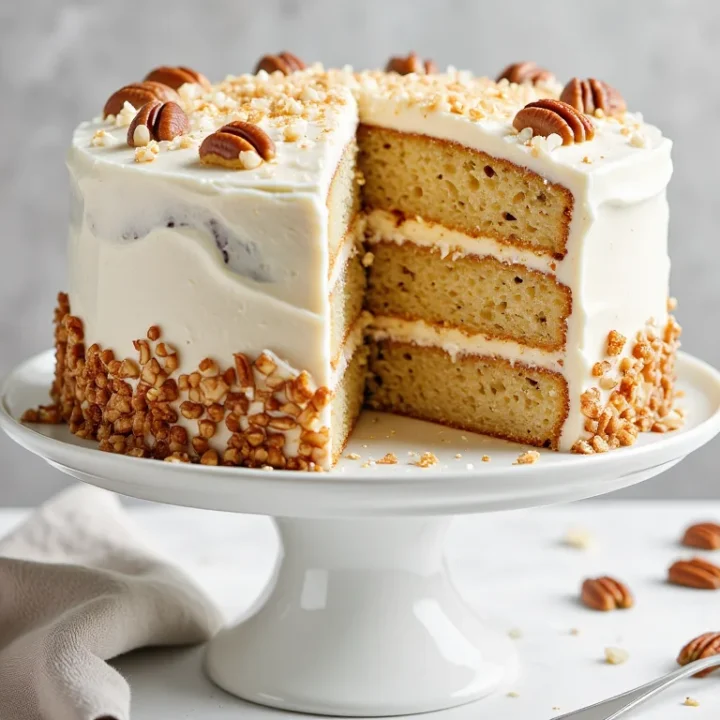
Classic Italian Cream Cake
A classic Southern Italian cream cake with three moist coconut and pecan layers, whipped egg whites for lift, and a rich cream cheese frosting. Perfect for holidays, birthdays, and any “project bake” day.
Ingredients
For the Cake:
- 1 cup (2 sticks) unsalted butter, softened
- 1/2 cup vegetable shortening (or neutral oil; see notes)
- 2 cups granulated sugar
- 5 large eggs, separated and at room temperature
- 2 cups all-purpose flour, spooned and leveled
- 1 teaspoon baking soda
- 1/2 teaspoon fine salt
- 1 cup buttermilk, well shaken and at room temperature
- 1 teaspoon vanilla extract
- 1/2 teaspoon almond extract
- 1 cup sweetened shredded coconut, loosely packed
- 1 cup finely chopped toasted pecans
For the Cream Cheese Frosting:
- 16 ounces (2 blocks) full-fat cream cheese, softened
- 1/2 cup (1 stick) unsalted butter, softened
- 1 teaspoon vanilla extract
- 1/4 teaspoon almond extract (optional)
- 6 to 7 cups powdered sugar, sifted
For Garnish:
- 1 cup toasted sweetened shredded coconut
- 1 cup chopped toasted pecans
Instructions
- Preheat the oven to 350°F (175°C). Grease three 8-inch round cake pans, line the bottoms with parchment circles, then grease and lightly flour the parchment and sides.
- Spread the chopped pecans on a baking sheet and toast for 6 to 8 minutes, stirring once, until fragrant and a shade darker. If using extra coconut for garnish, toast it on a separate pan until lightly golden. Let nuts and coconut cool completely.
- In a medium bowl, whisk together the flour, baking soda, and salt. Set aside.
- In a large mixing bowl, beat the softened butter, shortening, and granulated sugar on medium-high speed for 4 to 5 minutes, until very light, pale, and fluffy. Scrape the bowl once or twice.
- Add the egg yolks one at a time, beating just until each yolk is incorporated. Mix in the vanilla and almond extracts until smooth.
- Turn the mixer to low. Add the dry ingredients in three additions, alternating with the buttermilk in two additions (dry, buttermilk, dry, buttermilk, dry). Mix only until the last streak of flour disappears.
- Fold in the sweetened shredded coconut and the cooled, finely chopped toasted pecans with a rubber spatula. If coconut tends to clump, toss it with a tablespoon of the flour mixture before folding it in.
- In a clean bowl with clean beaters, whip the egg whites on medium-high speed until glossy, stiff peaks form and stand straight up when the beaters are lifted.
- Gently fold about one-third of the whipped egg whites into the batter to lighten it. Fold in the remaining egg whites in two more additions, turning the bowl and lifting the batter from the bottom so you do not deflate the air.
- Divide the batter evenly among the three prepared pans and smooth the tops. Bake for 25 to 30 minutes, or until the layers are lightly golden and a toothpick inserted in the center comes out clean or with a few moist crumbs.
- Cool the cakes in the pans on wire racks for 10 minutes, then run a knife around the edges and carefully invert onto the racks. Peel off the parchment and let the layers cool completely.
- While the cakes cool, make the frosting. In a large bowl, beat the softened cream cheese and butter together until smooth and creamy with no lumps.
- Add the vanilla and almond extract (if using), then gradually beat in the powdered sugar, 1 cup at a time, until the frosting is thick, smooth, and spreadable. Start with 6 cups and add the 7th cup only if you want a stiffer consistency.
- If the cake layers are domed, level the tops with a serrated knife. Place one layer on a serving plate or cake stand and spread a generous layer of frosting over the top.
- Add the second layer and repeat with more frosting. Place the third layer on top and cover the cake with a thin crumb coat of frosting on the sides and top. Chill for 20 to 30 minutes to set.
- Apply a final thick layer of frosting over the chilled cake, smoothing the top and sides or creating swirls as desired.
- Press chopped toasted pecans around the sides of the cake and sprinkle the top with toasted coconut and extra pecans. Decorate with whole pecan halves if you like.
- Refrigerate the cake until serving. Before slicing, let it stand at room temperature for 45 to 60 minutes so the crumb and frosting soften slightly.
Notes
- You can replace the 1/2 cup shortening with 1/2 cup neutral oil or 1/2 cup additional butter; oil gives a softer crumb, while all butter gives a richer but slightly denser, more yellow cake.
- To make this as a 9x13 sheet cake, pour the batter into a greased 9x13-inch pan and bake at 350°F (175°C) for about 35 to 40 minutes, until a toothpick in the center comes out clean or with a few moist crumbs.
- For a nut-free version, omit the pecans from the batter and garnish; the cake will lose some toasty flavor but still tastes delicious with coconut and cream cheese frosting.
- Sweetened shredded coconut keeps the cake moist and tender; unsweetened coconut will give a drier, more fibrous texture and is not recommended for the classic result.
- For best egg white volume, make sure the mixing bowl and beaters are completely clean and free of grease before whipping.
- This cake must be refrigerated because of the cream cheese frosting; store covered in the fridge for up to 4 days, bringing slices to room temperature before serving.
- To freeze layers, wrap cooled cake layers tightly in plastic wrap and foil and freeze for up to 2 months; thaw wrapped at room temperature until just slightly chilled before frosting
- .You can freeze the fully frosted cake or individual slices; wrap well, freeze for up to 2 months, then thaw in the fridge and bring to room temperature before serving.
- If your frosting is too soft, chill it for 10 to 15 minutes and beat briefly, or add more powdered sugar a tablespoon at a time until thickened.
Nutrition Information:
Yield: 16 servings Serving Size: 1 sliceAmount Per Serving: Calories: 700Total Fat: 38gSaturated Fat: 20gCarbohydrates: 80gSugar: 60gProtein: 7g
Nutrition values are approximate and will vary based on ingredients and brands.
FAQ
Final Thoughts on Baking Italian Cream Cake
Somewhere between separating the eggs and pressing that last handful of toasted pecans into the frosting, this cake stops feeling like “just a recipe” and turns into a little tradition. It’s the kind of bake you remember making: the mixer humming, the nutty smell drifting out of the oven, the first slice that leans a little as you lift it but still shows off all three layers.
If this is your first time making a classic Italian Cream Cake Recipe, give yourself room for it to be a project. Clear the counter. Turn on a podcast. Don’t rush the creaming step, and treat those whipped egg whites like the fragile gold they are. Even if your fold isn’t perfect or the layers aren’t exactly even, frosting hides a lot. Coconut and pecans hide even more.
What I love most about this coconut pecan cake is that it works hard for you. You put in the effort up front, and it pays you back for days with slices that stay moist and full of flavor straight from the fridge. It feels fancy enough for a holiday table, but cozy enough that you can justify baking it “just because” on a quiet weekend.
So if you’ve been nervous to tackle the “grandma” version, consider this your nudge. Pull out three pans, grab the buttermilk and almond extract, and commit to the full process at least once. Worst-case scenario, you end up with a slightly imperfect cake buried in cream cheese frosting and toasted coconut. Which still sounds like a very good day to me.
Love This Recipe? Discover More Classic Layer Cake Favorites
If this layer cake hit the spot, don’t miss The Ultimate Guide to Classic Layer Cakes where you’ll find more timeless flavors, smart frosting pairings, and easy fixes for every leaning, crumbly slice.